Short answer: if customers ever search for what you do, yes. Whether you cut hair, fix cars, treat patients or shoot weddings, the first place people check you out is Google — and what they find decides whether they call you or the business two streets over.
This is not about vanity. A website for a small business has exactly one job: turn people who are already looking for your service into customers. Everything else is decoration.
"But I already have Instagram and a Google profile"
Great — keep them. They are reach channels, not a home base. The problem with renting your presence from a platform:
- You do not control the algorithm, the layout or the ads shown next to your work.
- A profile cannot rank for searches like "car mechanic near me open Saturday" or "balayage price Graz" — a well-built page can.
- Platforms come and go. Your domain stays yours forever.
The winning setup for a local business is boringly effective: Google Business Profile for the map, a fast website for the convincing, social media for staying in view. Each one feeds the other two.
What a website actually does for each trade
The mechanics are the same in every industry — show up in search, look trustworthy, make contact effortless — but the emphasis shifts:
- Hair & beauty salons: price list that is always current, gallery of real work, online booking so the phone stops interrupting appointments.
- Mechanics, electricians, plumbers: clear service list, service area, emergency number above the fold, photos of real jobs — the things that make people trust a workshop before they visit.
- Doctors & dentists: office hours, insurance information, calm design that reduces anxiety, appointment requests that do not require a phone call during work hours.
- Photographers & designers: the portfolio IS the pitch — full-bleed images, fast loading, an inquiry form that captures date and budget.
- Restaurants & cafés: a menu Google can read (not a blurry PDF), reservations, and photos that make people hungry.
What it costs — honestly
A professional small-business website in 2026 typically lands between €700 and €2,500 depending on scope — booking systems, multilingual content and custom features push it up. That sounds like a lot until you do the math: if your average customer is worth €50 and the site brings you two new customers a week, it pays for itself inside six months and then keeps working for years. For the full breakdown, read the website cost guide.
When you can genuinely skip it
Honesty matters: if your order book is full for the next year purely from word of mouth, and you do not plan to grow, raise prices or hire — you can wait. Everyone else is quietly losing the customers who searched, found nothing convincing, and called the next result.
People do not choose the best business. They choose the best business they can find.
The 5-point minimum that actually converts
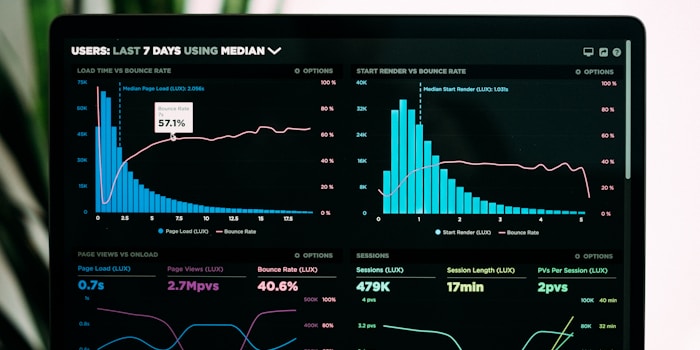
- Loads in under 3 seconds on a phone — slow sites bleed customers.
- Says what you do, where you do it, and what it costs — in the first screen.
- One obvious action: call, book, or send an inquiry.
- Real photos of your work and your space. No stock handshakes.
- Reviews pulled in from Google — social proof does the selling for you.
If you want to know what this would look like for your business, configure a rough estimate in two minutes or just send me a message — I answer within 24 hours.