Google Ads can put your business at the very top of the results within an hour — for a price you pay per click. That speed is seductive, and for some local businesses it is exactly right. For others it quietly drains a few hundred euros a month with nothing to show. The difference is knowing which one you are.
Here is the one thing Google Ads does: it rents you the top of the search results and charges you every time someone clicks. Not per sale, not per customer — per click. Whether that click becomes a paying customer is entirely up to what happens after it.
What Google Ads actually is, in plain terms
PPC means pay per click. You bid on searches like “plumber Graz” or “emergency electrician near me”. When someone searches, Google runs an instant auction and shows the winners above the normal results, marked “Sponsored”. You pay only when someone clicks — not when they merely see the ad.
- You pay per click, not per result — a click costs anywhere from €0.50 to €5+ depending on how competitive your trade is.
- The auction is constant — your position changes with every search, based on your bid and your ad quality.
- It stops the moment you stop paying — unlike SEO, there is no lasting asset; the traffic ends with the budget.
- Google rewards relevance — a tightly matched ad and landing page cost you less per click than a sloppy one.
Ads or SEO — which one, and when
They are not rivals; they answer different questions. SEO is the property you own; ads are the billboard you rent. The honest rule:
- Choose ads when you need customers this week — a new workshop opening, a seasonal push, a slow month, a service with real urgency (a leaking pipe does not wait for you to rank).
- Choose SEO when you can invest in months, not days — it starts slower but compounds, and the traffic keeps coming after you stop paying. The groundwork is in the SEO basics guide and the local SEO playbook.
- Run both when the budget allows — ads buy you the top spot today while SEO earns it for free over the next two quarters.
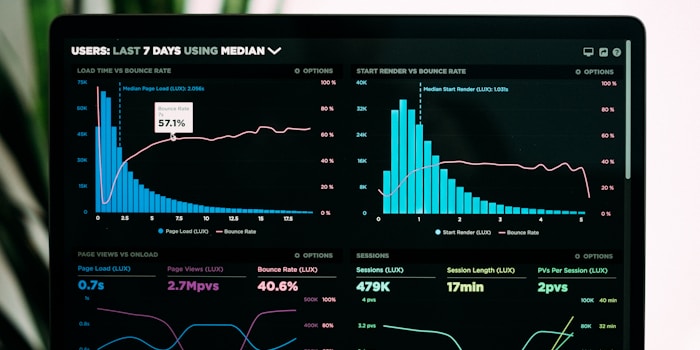
What it realistically costs per month in Austria
For a local business in Graz or the surrounding region, a meaningful test budget starts around €300 to €800 a month in ad spend — enough to gather real data, not so much that a bad month hurts. Add the management on top: whether you learn to run it yourself or pay someone, budget time or a fee beyond the clicks. A few honest reference points:
- Low-competition trades (a niche service, a small town) — clicks around €0.50–€1.50; €300 a month can be plenty.
- High-competition trades (lawyers, dentists, anything “emergency”) — clicks of €3–€8; you need €600+ just to be visible.
- The number that matters — not cost per click, but cost per customer. A €5 click that closes a €600 job is a bargain; a €0.50 click that closes nothing is a leak.
Ads only work if the page behind them works
This is where most wasted budgets die. You can win the auction, pay for the click, and still lose the customer — because the page they land on is slow, confusing, or asks them to hunt for your phone number. Paying to send people to a weak page is like paying for a taxi to an empty shop.
An ad can buy the click. Only the page can earn the customer.
Before you spend a cent on ads, the landing page needs to load fast, say what you do and where, show a price or a reason to trust you, and put one action — call, book, inquire — right in front of the visitor. If the site is not there yet, the website cost guide shows what building that foundation involves. Spend on the page first; ads multiply a good page and waste money on a bad one.
The mistakes that quietly burn money
- Sending every click to the homepage — someone searching “brake repair” should land on a brake-repair page, not your front door.
- No negative keywords — without them you pay for “free”, “jobs”, “DIY” and “salary” searches that will never buy from you.
- Bidding nationally when you serve one city — set the radius; you do not want clicks from 300 km away.
- No conversion tracking — if you cannot see which clicks became calls or forms, you are flying blind and Google cannot optimise.
- Set and forget — the first month is a test, not a result; campaigns need pruning to get cheaper over time.
So — is it worth it for you?
Yes, if your service has real search demand, a decent margin per customer, and a page that actually converts. No, if the margins are thin, the page is weak, or you cannot commit to watching the numbers for at least a month. Ads are a lever, not a miracle: they multiply what is already working.
Not sure whether ads, SEO or a better website is the right first euro for your business? Put together a rough estimate in two minutes or tell me about your situation — I answer within 24 hours and will say honestly if ads are not your best move yet.